
Beczala's Cavaradossi debut in Berlin
Tosca, Giacomo Puccini
Staatsoper Unter den Linden, Berlin
8th. February 2026
Diese Tosca setzt ganz auf das Werk. Alvis Hermanis zeigt eine klassische, sehr werkgetreue Inszenierung ohne interpretatorische Umwege. Das Bühnenbild bleibt in allen drei Akten im Kern gleich und verändert sich nur in Details. Szenisch ist das wenig aufregend, für die Sänger jedoch ideal: Alles spielt weit vorne, der Klang geht direkt in den Raum. Die Personenregie ist solide und angesichts der kurzen Probenzeit bei doppelter Besetzung in dieser Spielzeit absolut in Ordnung. Es gibt keine besonderen szenischen Momente, aber auch nichts, was den Abend stören würde.
Musikalisch wird der Abend von Petr Popelka und der Staatskapelle Berlin getragen. Von Beginn an verbindet sich Wucht mit Durchsichtigkeit. Der dunkle, klar konturierte Klang des Orchesters gibt Puccinis italienischer Oper eine ungewohnte, aber hervorragende Grundlage. Popelka spannt große Bögen, nimmt sich Zeit für lange, spannungsvolle Crescendi und lässt den Sängern viel gestalterische Freiheit, ohne den Fluss zu verlieren. Orchester und Dirigent wirken dabei hörbar als Einheit.
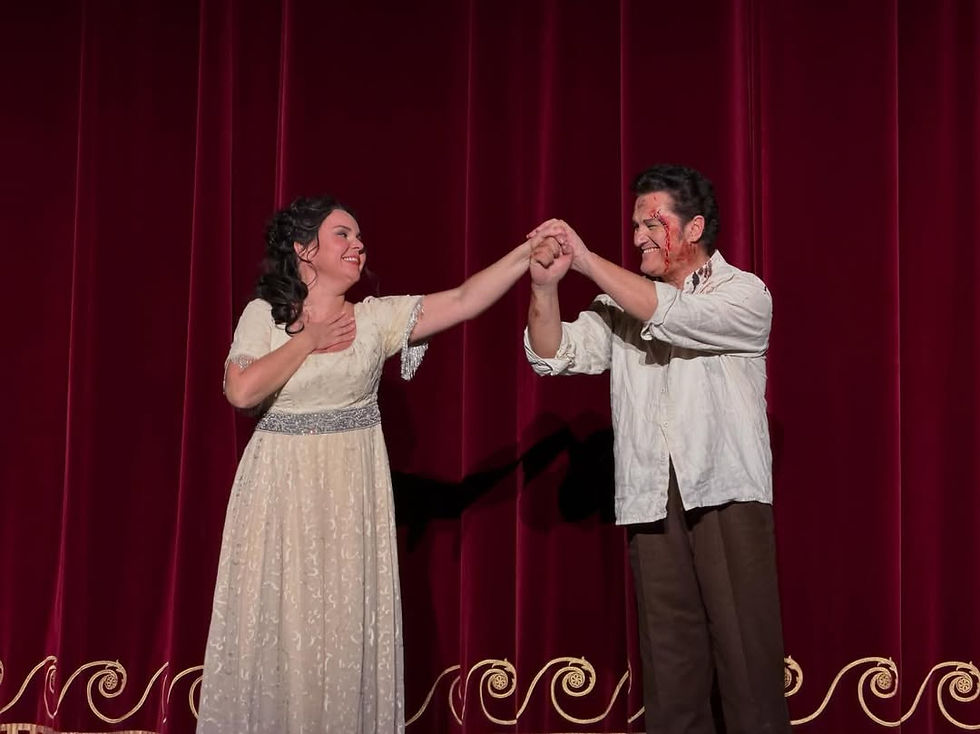
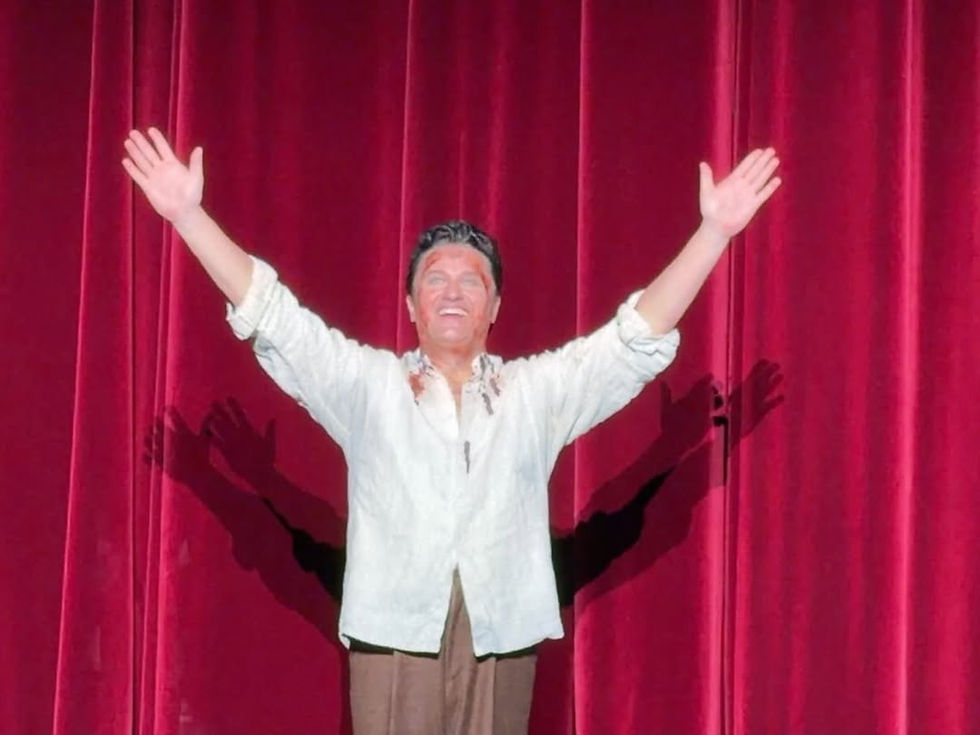
Im Zentrum des Abends steht Mario Cavaradossi, gesungen von Piotr Beczała. Er kennt diese Partie bis ins Detail und singt sie mit einer Selbstverständlichkeit, die vom ersten Auftritt an trägt. “Recondita armonia" und “E lucevan le stelle" werden mit minutenlangem, völlig berechtigtem Applaus gefeiert. Neben der technischen Sicherheit und der sorgfältigen Phrasierung ist es vor allem die Mischung aus lyrischer Gestaltung und kraftvoller Autorität, die beeindruckt. Die potenten, männlichen “Vittoria“-Rufe haben eine Wucht, die zugleich nie grob wirkt. Die Verbindung von Lyrik und Durchschlagskraft lässt einen unweigerlich hoffen, dass er weitere Wagner-Partien in sein Repertoire aufnimmt. Besonders einen Siegmund kann man sich nach dem Abend sehr gut vorstellen.
Aleksandra Kurzak gestaltet Floria Tosca mit einer silbrig klaren, sehr kultivierten Stimme. Sie verfügt über eine ausgezeichnete Technik, bleibt stets im Stil und kommt nie ins Schreien. In den großen dramatischen Ausbrüchen verliert der Klang etwas an Klarheit, darstellerisch ist sie dort jedoch besonders intensiv. “Vissi d'arte" ist musikalisch fein gestaltet und wird zu Recht mit großem Beifall aufgenommen. Am stärksten wirkt sie im Zusammenspiel mit Scarpia, wo Stimme und Spiel besonders dicht zusammenfinden.
Alexey Markov gibt einen soliden Scarpia, der weniger durch vokale Wucht als durch eine charaktervolle baritonale Farbe überzeugt. Sein “Te Deum" im ersten Akt ist musikalisch schön gestaltet, wenn auch nicht von der düsteren Potenz, die man von dieser Szene kennt. In den Dialogen gewinnt er Profil und Präsenz, ohne die Figur zu überzeichnen.
Die Nebenrollen sind durchweg sehr gut besetzt und fügen sich geschlossen ins musikalische Gesamtbild ein. Chor und Orchester tragen den Abend mit sichtbarer und hörbarer Sicherheit.
Am Ende bleibt eine Tosca, die vor allem von Piotr Beczała und dem hervorragend disponierten Orchester lebt. Die Inszenierung ist funktional und austauschbar, steht der Musik aber nicht im Weg. Kein Abend der großen Überraschungen, aber ein musikalisch starkes Erlebnis, das man gern mitnimmt.
Veit Störmer
Photos courtesy of @andrewbln

This Tosca relies entirely on the work itself. Alvis Hermanis presents a classical, highly faithful staging without interpretive detours. The set remains essentially the same across all three acts, changing only in details. Visually, this offers little excitement, but it is ideal for the singers: everything happens close to the front of the stage, and the sound is projected directly into the auditorium. The stage direction is solid and, given the short rehearsal period with double casting this season, entirely appropriate. There are no striking scenic moments, but nothing that disrupts the evening either.
Musically, the performance is carried by Petr Popelka and the Staatskapelle Berlin. From the outset, power and transparency are closely linked. The orchestra’s dark, clearly contoured sound gives Puccini’s Italian opera an unusual but very appealing foundation. Popelka shapes broad musical arcs, takes time for long, tension-filled crescendi, and allows the singers considerable freedom without losing momentum. Orchestra and conductor clearly function as a unified whole.
At the center of the evening stands Mario Cavaradossi, sung by Piotr Beczała. He knows the role in every detail and performs it with a natural authority that carries from his very first entrance. “Recondita armonia” and “E lucevan le stelle” are rewarded with minutes of entirely deserved applause. Beyond his technical security and careful phrasing, it is above all the combination of lyrical refinement and powerful authority that impresses. The potent, masculine “Vittoria” cries have real impact without ever sounding coarse. This balance between lyricism and force inevitably raises hopes that he will add further Wagner roles to his repertoire. After this performance, one can easily imagine him as Siegmund.
Aleksandra Kurzak shapes Floria Tosca with a silvery, clear, and highly cultivated voice. She has excellent technique, always remains within style, and never resorts to shouting. In the large dramatic outbursts, the tone loses some clarity, but her stage presence is particularly intense in these moments. “Vissi d’arte” is finely shaped musically and is rightly met with strong applause. She is at her strongest in the scenes with Scarpia, where voice and acting come together most convincingly.
Alexey Markov offers a solid Scarpia, convincing less through sheer vocal power than through a characterful baritonal color. His “Te Deum" in the first act is musically well done, though it lacks the dark potency often associated with this scene. In the dialogues, he gains profile and presence without overstating the role.
The supporting roles are consistently well cast and integrate seamlessly into the overall musical picture. Chorus and orchestra support the evening with visible and audible confidence.
In the end, this is a Tosca carried above all by Piotr Beczała and the excellently prepared orchestra. The staging is functional and interchangeable, but it does not stand in the way of the music. Not an evening of major surprises, but a musically strong experience one is glad to have had.
Veit Störmer



Esta Tosca apuesta plenamente por la obra. Alvis Hermanis presenta una puesta en escena clásica y muy fiel al texto, sin desvíos interpretativos. El decorado se mantiene esencialmente igual en los tres actos, con solo pequeños cambios de detalle. Escénicamente resulta poco emocionante, pero es ideal para los cantantes: todo sucede muy al frente y el sonido se proyecta directamente a la sala. La dirección escénica es sólida y, teniendo en cuenta el breve periodo de ensayos con doble reparto esta temporada, plenamente adecuada. No hay momentos escénicos especialmente memorables, pero tampoco nada que perturbe la función.
Musicalmente, la velada está sostenida por Petr Popelka y la Staatskapelle Berlin. Desde el inicio se combinan fuerza y transparencia. El sonido oscuro y claramente definido de la orquesta proporciona a la ópera italiana de Puccini una base poco habitual, pero muy atractiva. Popelka traza grandes arcos musicales, se toma su tiempo para largos y tensos crescendi y concede a los cantantes amplio margen expresivo sin perder el impulso. Orquesta y director funcionan de manera perceptible como una unidad.
En el centro de la velada se encuentra Mario Cavaradossi, interpretado por Piotr Beczała. Conoce el papel al detalle y lo canta con una naturalidad que sostiene la función desde su primera aparición. “Recondita armonia” y “E lucevan le stelle” reciben minutos de aplausos plenamente merecidos. Más allá de la seguridad técnica y el cuidado fraseo, impresiona sobre todo la combinación de lirismo y autoridad vocal. Los potentes y masculinos gritos de “Vittoria” tienen gran impacto sin resultar jamás toscos. Esta unión de lirismo y fuerza hace pensar inevitablemente en Wagner, y despierta el deseo de que incorpore más papeles de este repertorio. Después de esta función, resulta fácil imaginarlo como Siegmund.
Aleksandra Kurzak da vida a Floria Tosca con una voz de timbre plateado, clara y muy refinada. Posee una técnica excelente, se mantiene siempre dentro del estilo y nunca fuerza el sonido. En los grandes estallidos dramáticos, la claridad se resiente ligeramente, aunque escénicamente se muestra especialmente intensa en esos momentos. “Vissi d'arte" está musicalmente bien trabajada y es recibida con razón con gran aplauso. Su mayor fuerza aparece en las escenas con Scarpia, donde voz y actuación se funden con especial densidad.
Alexey Markov ofrece un Scarpia sólido, que convence menos por potencia vocal que por un color baritonal de carácter. Su “Te Deum" del primer acto está bien resuelto musicalmente, aunque sin la oscuridad extrema que suele asociarse a esta escena. En los diálogos gana presencia y perfil sin exagerar el personaje.
Los papeles secundarios están muy bien repartidos en conjunto y se integran de forma coherente en el panorama musical general. Coro y orquesta sostienen la función con seguridad visible y audible.
Al final queda una Tosca sostenida sobre todo por Piotr Beczała y por una orquesta excelentemente preparada. La puesta en escena es funcional e intercambiable, pero no se interpone en la música. No es una velada de grandes sorpresas, pero sí una experiencia musical sólida que se disfruta plenamente.
Veit Störmer


Comentarios